Professional Web Design: Learn how to Stand Out Online
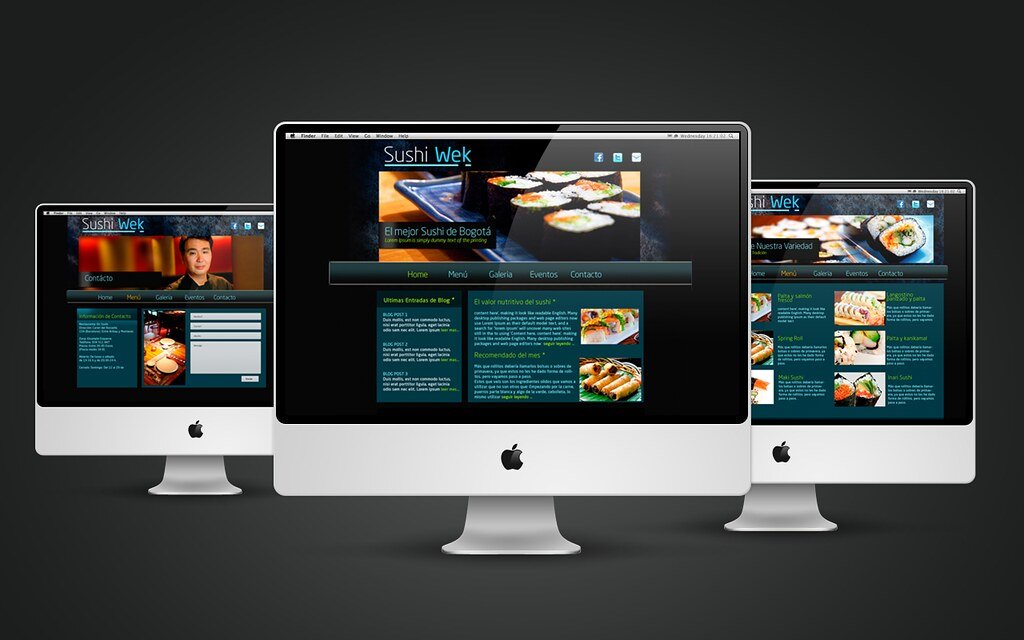
Professional web design is a key discipline in the digital age. It involves the creation of sites that are visually appealing and functional, always considering the user experience.
Having the right web design is essential for businesses. This not only influences the first impression of visitors, but also the conversion of visitors into customers.
What is web design?
Web design is a creative and technical process that focuses on the planning, conceptualization and organization of digital content. It seeks to create a visual and functional experience that responds to the needs of the user and the purpose of the website.
Definition of web design
Web design combines a variety of disciplines and skills that are crucial to the creation of a site. This includes aesthetic aspects, such as the selection of colors, fonts and graphics, as well as functional elements that ensure that users can navigate with ease.
Throughout this process, web designers are challenged to blend creativity with logic. Every design decision impacts usability and the perception visitors have of the site, which highlights the importance of a well-structured and thoughtful approach.
Key elements in web design
- Colors: The color palette chosen influences the atmosphere of the site and can affect the user's emotions.
- Typography: Font selection should be legible and align with the brand identity.
- Images: High-quality photographs and graphics contribute to a professional and attractive presentation.
- Blank spaces: Proper use of empty spaces improves clarity and avoids visual saturation.
- Navigation: A clear and accessible menu is vital for visitors to find the information they are looking for without complications.

Difference between web design and web development
It is important to distinguish between web design and web development, since they are two disciplines that, although they work together, have different approaches.
Web design focuses on the visual side and how users interact with the site, while web development involves programming and maintaining the technical structure that allows the site to function. Developers use programming languages such as HTML, CSS and JavaScript to create the functionality behind the design.

This difference is critical to the success of a web project, as both aspects must be coordinated to provide an effective and seamless user experience. A good design without solid development can result in a site that does not function properly, while a well-developed but poorly designed site can be unattractive and difficult to use.
Importance of web design for your business
Web design has a significant impact on the perception and performance of a company in the digital environment. A well-designed site is not only aesthetically pleasing, but also fulfills key functions that can determine the success of a business.
First impressions of users
The first impression a user receives when visiting a website is crucial. This impression can influence their decision to stay on the site or leave it. If a design is unattractive or disorganized, visitors are likely to leave the page quickly, resulting in a high bounce rate.
Visual elements, such as colors, typography and layout of elements, play a key role in this first interaction. A modern and attractive design can convey professionalism and confidence, which encourages users to explore further. A site that looks outdated, on the contrary, can generate distrust and make users question the seriousness of the company.
Impact on visitor-to-customer conversion
Web design directly influences a site's conversion rate. Effective design not only attracts visitors, but also guides them to perform specific actions, such as completing contact forms, making purchases or signing up for newsletters. UX design techniques are critical to creating a clear path that directs the user toward conversion.
Design elements such as call-to-action buttons must be visible and clearly identifiable. In addition, the layout of information on the site needs to be logical and usability-oriented. A design that considers the user experience can significantly increase the chances of conversion.
Design as a marketing strategy
Web design also plays a crucial role in digital marketing strategies. A well-designed site not only acts as a showcase for a company's products or services, but is also a marketing tool in itself. A consistent and professional aesthetic can enhance a brand's image and help build customer loyalty.
The implementation of SEO optimization techniques, along with an attractive design, can increase the site's visibility in search engines, attracting more organic traffic. Likewise, a design that integrates social media makes it easier to share content and connect with a wider audience, acting as a link between the brand and its consumers. In a context where competition is intense, a web design that works as part of an overall marketing strategy is vital to stand out in today's market.
Collaboration between designers and other professionals
Collaboration between web designers and other specialists is critical to the success of a project. A multidisciplinary approach allows combining skills and knowledge in different areas, resulting in a more cohesive and effective final product.
Design and programming
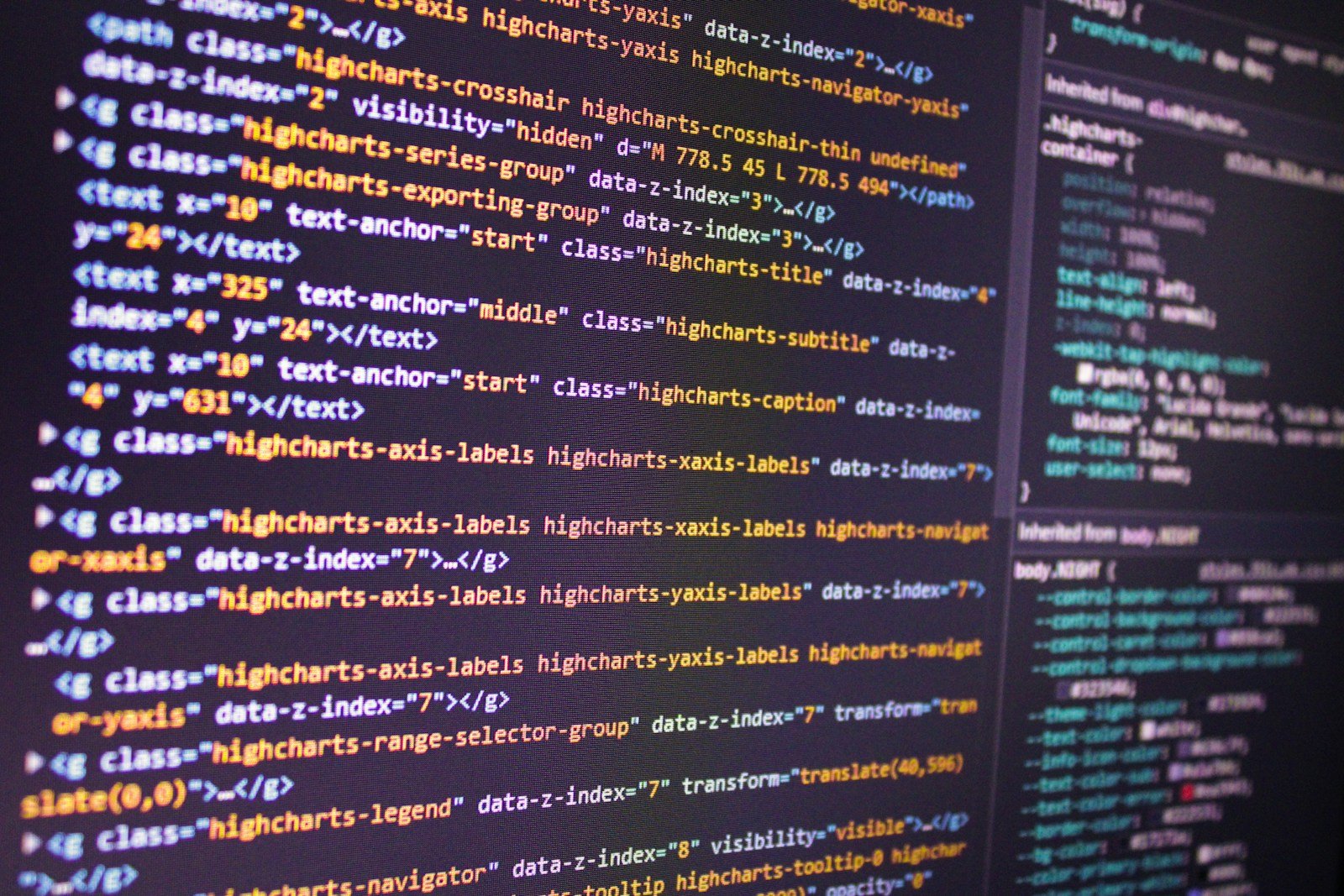
The link between design and programming is essential to realize the aesthetic vision of a website in a functional and accessible format. Designers create the visual look and feel and the user experience, while programmers are responsible for turning those ideas into technical reality.
- Constant interaction: Frequent communication between designers and programmers ensures that everyone is aligned with the project objectives.
- Prototypes: Designers can provide prototypes and wireframes that serve as a guide for developers, enabling a clearer focus during the coding process.
- Problem resolution: Collaboration allows technical issues that may arise during the design phase to be addressed and resolved, ensuring that functionality is not compromised.
Design and content creation
Content is a vital element of any website. The synergy between design and content creation ensures that both aspects complement each other, offering a richer user experience.
- Visual and textual coherence: Content creation must take into account the visual style of the design. This ensures that all text and graphics are presented in a harmonious manner.
- User experience: A good design helps to highlight the content, making it easier to read and understand. A well-structured content, on the other hand, can guide the design in the organization of the space.
- Adjustments during development: As content is produced and integrated into the site, adjustments to the design may be necessary to optimize presentation and usability.
Design and SEO experts
Search engine optimization (SEO) is a crucial part of web design, and collaboration with SEO experts helps maximize site visibility in search results.
- Keyword integration: Designers and SEO specialists should work together to ensure that relevant keywords are incorporated naturally into the content, while maintaining the aesthetics of the site.
- Accessibility: The collaboration ensures that the design is accessible and complies with the guidelines that search engines take into account for ranking, such as loading speed and adaptability on mobile devices.
- Optimization of visual elements: SEO experts can offer suggestions on how to optimize images and other multimedia elements to improve site speed and search performance.
Essential principles of web design
Web design is based on several fundamental principles that contribute to the creation of effective and attractive sites. These principles are key to ensuring that visitors have a positive and satisfying experience while navigating a site.
Balance
Visual balance is a central element in web design. This principle refers to the proper distribution of graphic and content elements on a page. A balanced design can be:
- Symmetrical: The elements are evenly distributed, creating a sense of harmony and stability.
- Asymmetric: The elements are not the same, but their arrangement achieves a visual harmony that keeps the user's interest and avoids monotony.
A good balance helps guide the user's eye and focus attention on the most important elements, creating a visually appealing and organized space.
Contrast
Contrast is essential to stand out in a competitive visual environment. This principle is achieved by using differences in:
- Colors: Combining light-dark or complementary colors helps certain elements stand out.
- Sizes: Playing with text and graphic sizes makes some elements more prominent than others.
- Shapes: Integrating varied and dynamic forms can draw the user's attention to key areas of the page.
Using contrast efficiently allows important messages to be easily readable and accessible.
Emphasis
Emphasis refers to the way in which a specific element of the page is highlighted. This principle is crucial to draw attention to an essential action or information. Techniques for achieving emphasis include:
- Font sizes: Increasing the font size for titles or key messages can help them stand out.
- Colors: Using vibrant colors on buttons or calls to action can encourage users to interact.
- Animations: Integrating moving elements attracts the eye and can draw attention to important aspects.
Properly implementing emphasis in a web design maximizes the likelihood that users will perform the desired actions, such as registering or purchasing a product.
Movement
Movement in web design guides the user's navigation from one element to another. This principle can be achieved through:
- Disposition: The organization of elements on the page can suggest a visual path that the user will follow.
- Varied size: Differentiating the size of elements invites users to explore and interact with them.
Creating a sense of movement helps solidify the visual narrative and enhances the user's experience on the site.
Rhythm
Rhythm in web design refers to the repetition and variation of certain elements that contribute to the cohesion of the site. It is achieved through:
- Color repetition: Using a consistent color palette reinforces the visual identity of the site.
- Consistent typefaces: Maintaining a typographic style can help texts integrate smoothly.
- Graphic styles: The use of similar styles in pictograms or buttons creates a harmonious visual effect.
Effective pacing provides fluidity to the design, making the site easier to navigate.
Hierarchy
Hierarchy is fundamental to present information in a clear and orderly manner. This principle is manifested through:
- Visual distribution: Placing the most important elements in prominent positions ensures that they are seen first.
- Various sizes: Using different text sizes for headings and paragraphs establishes a clear differentiation of information.
- Spacing: Maintaining adequate spacing between elements aids readability and clear presentation of ideas.
Establishing a good hierarchy helps to intuitively guide the user experience by allowing them to easily find what they are looking for.
Essential elements of a successful website
Creating a successful website involves considering several fundamental elements that ensure its attractiveness and effectiveness. These components are crucial to delivering a positive user experience and achieving business objectives.
Intuitive navigation
Navigation is one of the most critical aspects of website design. A clear and simple navigation system allows visitors to find the information they are looking for quickly and efficiently. Elements such as drop-down menus, visible links and a logical structure make it easy to navigate the site.
- Use horizontal or vertical menus that group sections in a coherent way.
- Include a search engine so that users can quickly locate specific content.
- Ensure that links are descriptive, clearly indicating where they lead to.
Consistent color palette
Choosing the right color palette is vital to a site's visual identity. Colors should reflect the brand's personality and create an atmosphere that resonates with the target audience. It is advisable to limit the number of colors used to maintain visual cohesion.
- Select two or three main colors to be used throughout the site.
- Include secondary colors that complement the main tones, used to highlight important elements.
- Consider the psychology of color to induce emotions or desired actions in visitors.
High quality images
Images play a fundamental role in web design, as they capture visitors' attention and communicate information effectively. It is essential to use images that are high resolution and aligned with the content of the site.
- Select images that are relevant and help tell the brand story.
- Avoid excessive use of stock images, opting for original photographs whenever possible.
- Ensure that images are optimized for the web, increasing the loading speed of the site.
Integration with social networks
In today's digital world, integration with social networks is an essential element. Links and buttons to share content on social platforms must be visible and accessible, making it easy for users to connect with the brand.
- Include social media icons in strategic places, such as the header or footer.
- Use share buttons on articles or posts to encourage engagement.
- Consider including social media feeds on the site to keep it fresh and up to date.
Appropriate typography
Typography greatly impacts the readability and aesthetics of a website. Selecting fonts that align with the brand's personality and are easy to read is critical to a good user experience. Typographic hierarchy also plays an important role in the organization of content.
- Use a limited number of sources (no more than two or three) to maintain cohesion.
- Ensure that the size and spacing of the letters are appropriate for easy reading.
- Play with style (bold, italics) to highlight key information without visually overloading the site.
Web design tools
Modern professional web design requires specific tools that facilitate the process of creating and optimizing sites. These tools range from graphic design software to platforms that enable content development and management.
Graphic design tools
Graphic design tools are essential for creating the visual elements of a Web site. They allow designers to unleash their creativity and create stunning graphics that enhance the aesthetics and functionality of the site.
Adobe Photoshop
Adobe Photoshop is a widely used software in the field of graphic design. With its wide range of functions, it allows you to edit images, create complex graphics and prepare visual elements for use on websites. Its ability to work with layers and advanced settings makes it a powerful tool for professional designers.
Figma
Figma is a collaborative design tool that allows teams to work together in real time. Its intuitive interface makes it easy to create prototypes and wireframes, which is valuable in the design process. Figma allows you to easily share projects and get instant feedback from colleagues and clients.
Sketch
Sketch has become a favorite among interface designers. Its focus on prototyping and interface design for web applications is remarkable. The ease of working with reusable components and its ecosystem of plugins extend its capabilities, making workflows more efficient.
Web page creators
Web page builders are tools that make it easy to build sites without advanced programming skills. These platforms often offer templates and customizable options, allowing inexperienced users to create attractive sites.
Wix
Wix is a drag-and-drop platform that allows users to create sites in an intuitive way. It offers a variety of customizable templates and built-in features that help optimize online presence. Its focus on ease of use makes it a popular choice among small businesses and entrepreneurs.
If you are an entrepreneur, we recommend you to read this article where we talk about the benefits of having a website for entrepreneurs
Squarespace
Squarespace stands out for its elegant designs and visually stunning templates. It is ideal for those looking for a more refined design without the hassle. The platform includes e-commerce tools, making it an attractive option for businesses that want to sell online.
Content Management Systems (CMS)
Content management systems are essential for the efficient administration of websites. They facilitate the creation, editing and publishing of content without the need for in-depth technical knowledge. CMSs are indispensable for keeping a website up-to-date and functional.
WordPress
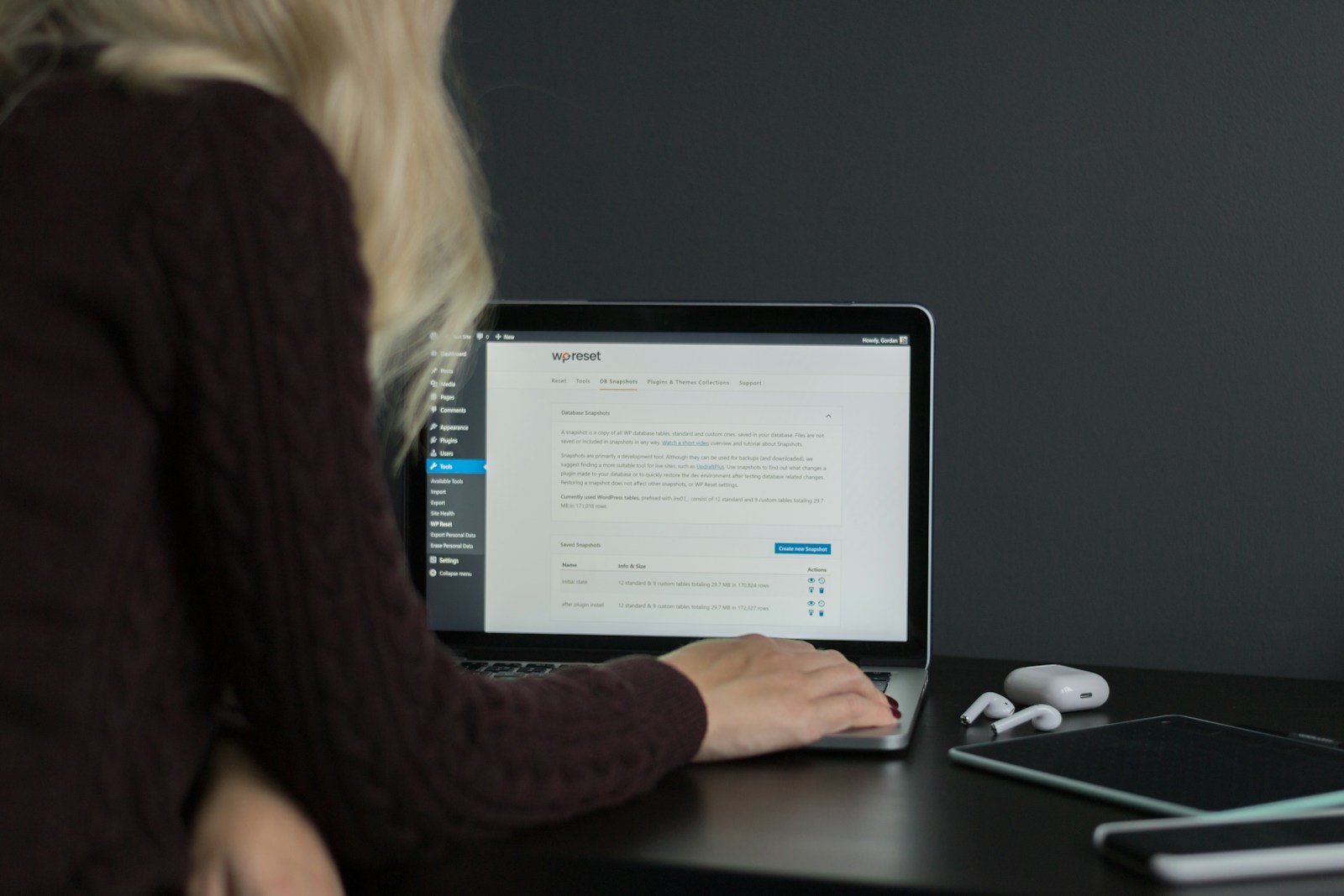
WordPress is the most popular CMS worldwide. Its flexibility and customization allow you to create any type of site, from blogs to online stores. The active community of developers offers a wide range of plugins and themes that enhance the functionality and appearance of the site.
Plugins and themes
Plugins and themes are key components in WordPress. Plugins extend the functionality of the site, while themes affect its design. There are thousands of options available, allowing you to tailor the site to the specific needs of each project. Choosing the right plugins can improve the user experience and optimize website performance.
Discover our services -We can create your professional website, Design your logo and brand identity, Manage your social networks, Manage your Facebook ads with a strategy and more Contact us or LOOK at our website OUR PORTFOLIO.
Process for creating a website
The process of creating a website involves several key steps that ensure an organized and effective development. Each step is essential to achieve a final result that meets the end user's expectations and needs.
Definition of objectives
The first step in the creation of a website is the clear definition of the objectives to be achieved. This step is crucial, as it will guide all future decisions in the design and development process.
- Identify the purpose of the site: Determine if it is a blog, an online store, a portfolio, among others.
- Define the target audience: Knowing who the potential users are helps to personalize the site experience.
- Establish measurable goals: Define what metrics will be used to evaluate success, such as traffic, conversion rate or duration of visits.
Content outline
Once the objectives are clear, it is time to design a content outline. This outline will serve as a map that will guide the organization of the information within the website.
- Create a site map: Visualize the structure and hierarchy of the pages within the site.
- Determine the type of content needed: Write texts, select images, and decide which multimedia elements will be included.
- Plan navigation: Ensure that users can easily and quickly access the information they are looking for.
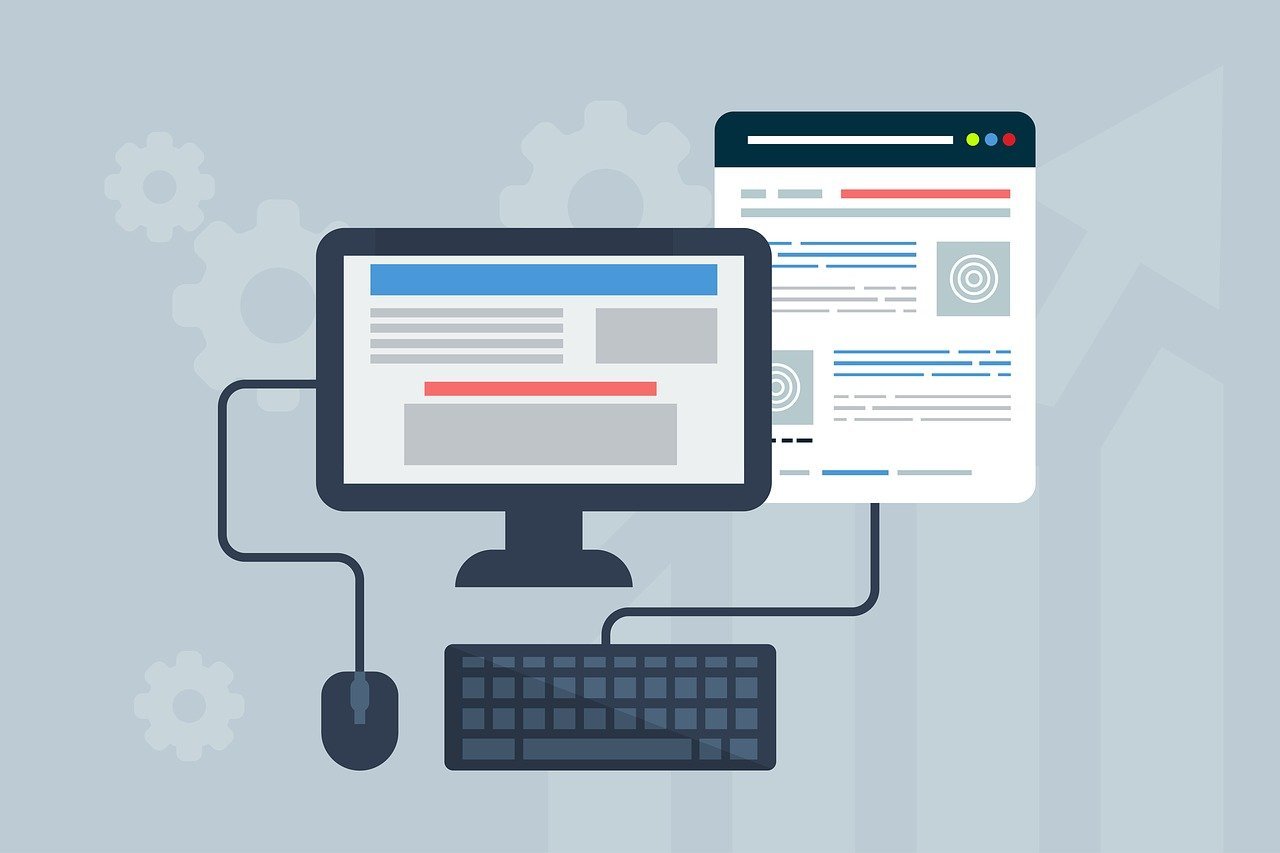
Design of mockups and wireframes
Designing mockups and wireframes is an essential step in the development of the website, since it allows you to visualize how the elements will be arranged on the pages.
- Wireframes: Create simple renderings that show the basic structure of each page, including location of elements such as menus, buttons and content.
- Design Mockups: Develop more detailed versions that show colors, fonts and graphic styles to give a clear idea of the final look and feel of the site.
- Adjustments and revisions: Work in conjunction with the design team and other professionals to make necessary changes before moving to the development phase.
Site development
With mockups completed, the next step is the website development phase. At this stage, the mockups are converted into a functional online platform.
- Coding: Developers use programming languages such as HTML, CSS and JavaScript to build the website based on previous mockups.
- Content and multimedia integration: Ensure that all text, images and video elements are correctly positioned and optimized.
- Functionality testing: Perform tests to ensure that all links work, that interactions are smooth and that the site loads correctly.
Launch and promotion
The website launch marks the end of the development process, but also the beginning of its online life. A well-planned launch is crucial to maximize its impact.
- Preparation for launch: Perform final usability testing and ensure that there are no visible errors in the content.
- Promotion strategy: Define how the site will be publicized, including social media campaigns, email marketing and initial SEO.
- Post-launch monitoring: Start collecting information and metrics on site performance, which will allow for continuous adjustments and improvements.
Search Engine Optimization (SEO)
Search engine optimization (SEO) is a set of strategies that seek to improve the visibility of a website in search results. This is achieved through techniques and practices that allow search engines to better understand the content of the page and its relevance to users.
Keyword research
Keyword research is the first fundamental step in any successful SEO strategy. It consists of identifying the words and phrases that users use to search for information related to the business or industry in which you operate. A proper analysis of these words can significantly increase the visibility of the site.
- Research tools: There are several tools that help identify relevant keywords, such as Google Keyword Planner, SEMrush and Ahrefs. These platforms allow you to analyze search volume, competition and offer suggestions for related words.
- Long-tail keywords: Incorporating long tail keywords, which are more specific phrases, can help attract highly relevant and less competitive traffic. For example, instead of using "shoes", you could opt for "running shoes for running in Santiago".
- Competitive analysis: It is advisable to examine the keywords on which competitors compete. This can provide insights on how to differentiate yourself and what opportunities may be available.
On-page optimization
On-page optimization refers to actions that can be taken directly on the site to improve its search engine ranking. This optimization includes the content, the structure of the site, and various technical elements.
- Quality content: Content must be relevant, valuable and original. Search engines prioritize those that effectively answer users' questions. It is also vital to update content regularly.
- HTML tags: Using appropriate tags such as titles (H1), subtitles (H2, H3) and alt attributes for images is crucial. This not only improves accessibility, but also gives context to search engines about the site's content.
- Loading speed: The speed of a website impacts both user experience and search engine rankings. Practices such as image compression and caching should be implemented to improve load times.
Off-page SEO strategies
Off-page SEO strategies involve actions taken outside the website itself to improve its authority and reputation. These practices are mainly focused on link building and external visibility.
- Link building: Generating quality links to the site is vital. This can be achieved by creating content that others want to link to, collaborations with influencers and digital PR.
- Social media marketing: A strong social media presence can increase traffic to the site and boost visibility. Sharing valuable content on these platforms encourages interaction and can generate links to the website.
- Participation in forums and communities: Contributing to relevant forums and communities can be a good way to increase visibility. By sharing knowledge and linking to the site when relevant, you can capture the attention of interested users.
User Experience (UX)
User experience (UX) is a crucial aspect of web design. It refers to how users interact with a site and the overall perception they have of it. A UX-centric approach can mean the difference between a visitor who sticks around and a user who quickly leaves the site.
Importance of UX
A good user experience is essential for several reasons:
- Improved user satisfactionOffering an optimized UX generates greater satisfaction, which increases the likelihood that visitors will return.
- Increases conversionUsers who enjoy their experience are more willing to perform desired actions, such as purchases or subscriptions.
- Strengthens brand loyaltyPositive experiences foster a stronger relationship between users and the brand, which can translate into loyal customers.
- Reduces bounce rateUser-centered design minimizes frustration, which prevents visitors from leaving the site without interacting.
Techniques to improve UX
There are several techniques that can be implemented to optimize the user experience:
- User-centered designInvolve users in the design process to understand their needs and expectations, which facilitates the creation of intuitive interfaces.
- Clear and simple navigationThe structure of the site must be logical and easy to follow, with menus and links that guide the user in an accessible way.
- Loading speedFast loading site minimizes user frustration. Optimizing images and scripts contributes to fast performance.
- Translating complex content into simple languageThe use of clear and concise language facilitates the understanding of the content and avoids confusion.
Usability testing
Usability testing is essential to evaluate the effectiveness of the UX. These tests allow you to observe how users interact with the site and detect areas for improvement.
- Interviews with users: Talking to users about their experience helps to identify problems and gather suggestions for improvement.
- A/B TestingComparing different versions of a web page can reveal which design or content works best for users.
- Behavioral analysisWeb analytics tools allow tracking user behavior, facilitating the identification of patterns and areas that require adjustment.
- Surveys and questionnairesCollecting information on user satisfaction provides valuable data on the overall experience on the site.
Adaptive and responsive design
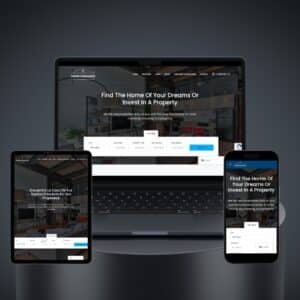
Responsive design has become a crucial aspect of web design, ensuring that a site displays correctly on any device, from computers to smartphones. As users access the Internet across multiple platforms, the browsing experience must be consistent and seamless.
Importance of responsive web design
Implementing responsive design is essential in today's context, where the variety of devices is enormous. Users expect sites to fit perfectly on their screens. A design that does not meet these expectations can result in a high bounce rate and frustration, directly affecting the brand's image.
Adaptability allows:
- Improve the user experience by providing a consistent interface.
- Increase accessibility to information, regardless of the type of device used.
- Optimize search engine performance, as Google favors responsive sites in its results.
- Facilitate content management by requiring fewer versions of a site for different platforms.
Responsive design techniques
Responsive design uses various techniques that allow websites to adapt to different screen sizes. Some of the most effective include:
- Media queries: They allow you to apply specific CSS styles according to the resolution of the device, adjusting elements such as font size or column layout.
- Flexible grids: They use relative units to ensure that elements are properly rearranged on any device, ensuring a consistent presentation.
- Fluid images: They automatically adjust to the size of your container, preventing them from exceeding design limits and causing overflows.
- Mobile-first design: Strategy that consists of designing for small screens first and then extending the functionalities and designs for larger devices.

Testing on mobile devices
Testing on multiple devices is essential to verify that the responsive design works as expected. This involves testing the site on multiple browsers and devices with different operating systems. Some approaches to testing include:
- Emulators and simulators: They allow you to visualize how a site will look in different configurations without the need for physical devices, you can use your browser's developer tool for example.
- Testing on real devices: Testing on multiple smartphones and tablets ensures user experience in real-world situations.
- User feedback: Getting feedback from users on the usability of the site on different devices can provide valuable information for further improvement.
Digital marketing strategies
Digital marketing strategies are essential to boost the visibility and reach of a website. They focus on using different tools and techniques to effectively connect with the audience.
SEO and content marketing
SEO (search engine optimization) and content marketing are two essential elements that work together to improve a website's visibility in online searches. SEO deals with optimizing different aspects of the website to make it more relevant and attractive to search engines.

On the other hand, content marketing focuses on creating and distributing valuable and relevant content to attract and retain a defined audience. This includes:
- Bloggin: Publish articles that address the interests and needs of the target audience.
- Videos: Use audiovisual content to capture attention and explain complex concepts.
- Infographics: Present information in a visual and attractive way to facilitate understanding.
The key is to integrate SEO into the content creation process, using relevant keywords, optimizing meta descriptions and making sure the content is well structured.

Email marketing
Email marketing is a direct strategy that allows you to keep customers informed about news, promotions and relevant content. It is a very effective channel that allows you to personalize communication and segment audiences. Some important elements in email marketing are:
- Subscriber lists: Create and maintain a database of contacts interested in receiving information.
- Engaging content: Design emails that are visually appealing and contain clear messages.
- Tracking and analysis: Evaluate different metrics, such as open and click-through rates, to improve future campaigns.
A well-designed email marketing strategy can increase customer loyalty and generate more conversions.
Social networks
Social networks play a crucial role in digital marketing. They allow you to interact with customers, build relationships and increase brand visibility. Each platform has its specific characteristics and audiences, which requires a tailored approach for each. Some strategies include:
- Relevant content: Publish information that resonates with the audience, including images, videos and text posts.
- Interaction: Respond to comments and messages to foster an active community.
- Paid advertising: Use targeted ads on platforms such as Facebook and Instagram to expand reach.
Social media not only helps drive traffic to the website, but is also an integral part of any successful digital marketing strategy.
Tips for effective web design
Effective web design requires attention to several elements that directly impact the user experience. The following are key recommendations to achieve an attractive and functional website.
Keep it simple
Simplicity is fundamental in web design. An overloaded design can distract visitors and make navigation difficult. Here are some important points:
- Use a clean design that facilitates the reading and understanding of the content.
- Avoid excessive use of colors and graphics that may overload the page.
- Make sure that each element on the page has a clear purpose.
By opting for a minimalist approach, users can focus on what is most important, allowing them to have a more pleasurable and straightforward experience.
Blank spaces
White space, or negative space, is essential to create a harmonious design. These spaces not only give air to the page, but also help guide the user's attention. It is crucial to consider the following:
- White space improves readability by separating different sections of content.
- They contribute to a visually appealing design, balancing the elements on the page.
- They make navigation easier, making buttons and links more accessible and easier to find.
By properly incorporating white space, a more professional and organized design is achieved, which can result in better converting ability.
A/B Testing
Performing A/B testing is an effective strategy for determining which design or content resonates best with the audience. This process involves comparing two versions of a page to identify which one performs better. Some aspects to consider are:
- Clearly define the objectives of the test, such as increasing conversions or time spent on the page.
- Test specific elements such as button colors, headers, images or content layout.
- Analyze the results and adjust the design based on hard data rather than assumptions.
These tests allow for continuous optimization of the website, adapting to user preferences and behaviors, which in turn can significantly improve performance metrics.
Hiring a professional web designer is a key decision for any business looking to establish a strong online presence. A professional not only brings technical knowledge, but can also help create an ideal user experience and maximize the potential of the website.
Grow your online presence - From web design to social media management and Facebook ads. We take care of everything to make your business shine. Take a look at our SERVICES
Hire a professional web designer
Benefits of hiring a professional
Having a professional web designer offers multiple advantages that can make the difference between a website that fulfills its function and one that really stands out. Some of the main advantages are:
- SEO optimization: An experienced designer understands SEO principles and can apply techniques to improve site visibility in search engines.
- User Experience (UX): He knows how to create interfaces that facilitate navigation, thus promoting a better user experience.
- Multimedia integration: It can integrate visual elements such as images, videos and animations effectively, enriching the user's interaction with the content.
- Technical support: It offers maintenance and support, ensuring that the site is always optimized and working properly.
- Customization: It helps to develop a unique design that reflects the brand identity, rather than relying on generic templates that can be used by anyone.
How to choose the right company
Select the web design company is crucial to the success of the project. Here are some aspects to consider when making this decision:
- Experience: Verify the trajectory in the sector and the number of projects carried out. A company with a varied and successful portfolio is a good sign.
- Quality of work: Review the portfolio of previous work. This provides a clear idea about the style and quality of your design.
- Testimonials and references: Seeing reviews from previous clients can give greater confidence in the effectiveness of the company.
- Communication: It is essential that the company has clear and efficient communication, ensuring that the customer's needs are understood and addressed.
- Additional services: Consider whether they offer extra services such as digital marketing, social media management or SEO services that could be useful in the future.
Costs and budgets
The costs of hiring a web designer can vary significantly depending on the complexity of the project and the level of experience of the professional. When considering the budget, it is important to consider the following elements:
- Scope of the project: The more complex the site, the higher the cost. Projects that require specific functionality, such as e-commerce, tend to have higher prices.
- Delivery time: Tight deadlines can increase costs, as more dedication is required from the design team.
- Additional functions: Features such as content management system (CMS) integration or design customization can affect the budget.
- Maintenance: It is necessary to consider the costs of maintenance and upgrades once the site is up and running. It is advisable to discuss these fees at the outset.
¿Quieres posicionar tu negocio en Google?
Diseñamos planes de SEO técnico, contenido y conversión para ganar tráfico cualificado.